Showing posts with label Mindfulness. Show all posts

2.08.2019

Skincare Experts: Trust and Critical Thinking

The skincare hobbyist world is not what it was 10 years ago, or even 5 years ago. In the last few years, skincare as a hobby has exploded, and that explosion owes a lot to social media, the blogosphere, and forums like Reddit. Using these online tools, amateurs and experts alike can share knowledge and experiences with respect to skincare.

This has been a net-good for skincare hobbies, in my opinion. There are more products reviews for curious consumers, and more discussion and scientific analyses for wannabe skincare scholars. 15 years ago if you picked up a skincare item at the store, you would only have the opinion of a pushy salesperson to convince you to get it/not get it. Now you can google the product name and find dozens if not hundreds of detailed reviews and accounts of this product's efficacy.

There are hundreds of small-time bloggers, but there are also some prominent, next-level Skincare Gurus who, by virtue of their experience or their large following, enjoy a prominent expert status. In some cases, it's well-deserved and in others it's misplaced, but this post isn't about dissecting who is great and who sucks. Instead, I'm going to outline some best practices for judging opinions/reviews and placing them all in context in your index of skincare knowledge.

So you don't think I'm dissing general categories of people, I'll name some sources I personally pay attention to, and whose advice I find helpful, once taking into account the specific challenges I'll outline below. When writing this post, I particularly thought of Caroline Hirons (former esthetician and longtime consultant for beauty brands), Paula Begoun (former beauty journalist and current skincare brand owner), Sam Bunting (cosmetic dermatologist, TV personality), Jude Chao (blogger and experienced skincare hobbyist), Stephen Ko (cosmetic chemist), and Lisa Eldridge (makeup artist and expert, skincare enthusiast). And of course I'm including my fellow amateur skincare lovers on the Instagram and Reddit communities. I want to put those examples in your brain at the outset of this, because my criticisms and comments extend to all categories of skincare nerds.

Background/History


I love that I don't even have to leave my couch to read or hear the opinions of estheticians, doctors, and cosmetic chemists alike. The Internet allows people with a variety of industry backgrounds to chime in on a number of subjects. What would have taken hours and thousands of dollars for consultations/discussions is now available online from a variety of sources.There are also hundreds of genuinely well-meaning and cautious amateurs with no industry training who dispense genuinely good advice in a few corners of the Internet.

I think that only good things can come from exposure to such a vast sample of viewpoints and backgrounds. I don't prioritize one background over another. To me, an esthetician who worked for 30 years with a variety of clients likely has reliable and useful knowledge that you can't get from a dermatologist. And a brand owner's opinion should always be taken with a grain of salt, but someone who designs and sells skincare absolutely has information and suggestions that can assist you in your skincare explorations.

It only makes sense to balance your roster of skincare gurus. If you mainly follow amateur hobbyists on Instagram, try adding a few dermatologists or high-profile estheticians to your list. You will find the more opinions and recommendations you are exposed to, the more well-developed your perspective on skincare will be. Just because you saw a dermatologist and she fixed your major skin problems with a few recommendations, it doesn't mean that you won't learn useful things from other professionals (or laymen.)

The biases and knowledge specialties will vary depending on industry and background. A facialist likely has a different viewpoint or orientation toward acid peels compared to an amateur, and a dermatologist probably has strong feelings about retinoids that a brand owner for a company that produces mainly antioxidant-based skincare will not agree with. Personally, I love to listen to everyone, because there are kernels of truth and a good philosophy to be found in every category.

Among amateurs, the product and ingredient biases tend to be more split based on skin type. Because most of their knowledge comes from pure personal experience with their own faces, amateurs/non-professionals (like me!) will have recommendations based on what works for them. And that can be a good thing if you share skin frustrations, but it's always good to read opinions from people who have worked with a variety of skin types and issues. This is analogous to the difference in a YouTube Makeup Guru and a real world Makeup Artist. The former is amazing at taking care of her own face, she knows the ins and outs of exactly what colors to use and where to put them. But she would likely have no clue what to do if plonked down in front of 10 models and told to make them up. The type of knowledge gained from experience with other people's faces is not better in all cases, but it is different and necessary. I truly don't prioritize one over the other. What you hear from a facialist who has worked with dry to oily skin, 15 year olds and 70 year olds, will not necessarily be as helpful in some cases compared to what you get from one very articulate amateur who is the same age and skin type as you. In some cases you will get a lot out of the amateur's advice, because she will have tried all the options suited to your skintype, and will have some relatable insights for your exact skin. By listening to laymen and to professionals, you will gain more breadth and depth of knowledge than just sticking to one category.

I will say if you are a true skincare beginner, it is better to follow a regimen or philosophy based around an "expert." It's too difficult to know, as a newbie, who you are listening to. I've seen very earnest, serious-sounding routines given from one amateur to another, and neither was aware that it was horribly destructive and counterproductive (think: Clean & Clear scrub followed by a rubbing alcohol wipe, use aloe vera if feeling dry.) If you're brand-new to skincare, there are smart amateurs out there, but you won't be able to pick them out as easily. Stick to the basic posts and simple advice from experts where possible.

Time Spent in Industry/Hobby


A minor corollary to the above point is to consider the guru's time spent engaged in the line of work or hobby. This is not a direct measure of quality, but it does help you weed out some people who may not know what they are talking about. This is not a hard-and-fast rule, because there are people who spend dozens of years in an industry and they are not holistically well-informed or good at communicating that opinion. But in general, make sure to heed the advice of seasoned, competent, and cautious advisers over the advice you get from a super-excitable and confident newbie.

There's that old adage about the man who knows he knows nothing being wise. May sound a bit trite, but it's true. Listen to people who tend to tack on "your mileage may vary" or "proceed cautiously" when dispensing their own advice. They are aware that everyone has individual reactions and skin issues, and they do not want you to be disappointed or emotional when things inevitably go off-script. Someone who confidently assures you that you'll definitely love my routine, it's so easy, all I use is lemon juice Nivea scrub SPF 15! is probably not thinking about different skin types and variance in product tastes.

Free Products


While this is a touchy subject in general, I believe conflicts of interest for beauty gurus/influencers cannot be ignored, and so I do take it into account when a skincare guru receives free products, either as gifts or in exchange for reviews. Read the link above for a more detailed breakdown of my thoughts on the subject of conflicts of interest in the social media marketing age.

Even the most honest, trustworthy, and virtuous gurus will be influenced in some way when they receive free product. If a guru receives thousands of dollars worth of product every year, for free, their recommendations and daily routine will be skewed because of that. Even if they remain outspokenly conscientious of budget-friendliness, if you look at the products they use on a daily basis, they will likely prefer/use more expensive ones. And that makes sense. When dealing with a pool of products which are all formulated well and effectively, it's pretty easy to choose the one with sexier packaging, a nicer scent, and a slightly more luxurious texture.

The results of the Heritage Rosewater Mist ($8) and the Omorovicza Queen of Hungary Mist ($90) are likely comparable, as the main constituents of both are glycerin and water, but if I was given the latter for free, you bet your ass I'd be spritzing it and showing off the lovely frosted-glass bottle as much as possible. And it wouldn't be fake enthusiasm. I would genuinely be excited to receive such a lovely and luxurious item, and I would 100% enjoy it.

The question is- for these gurus who receive those types of products on the daily- how do we, as followers, figure out what products are in the "beautiful but would never buy if I was a pleb" category, and which are worth the expense? That's not a question I have a concrete answer to. I think if skincare is a hobby and not purely a perfunctory grooming task, it inevitably involves some element of luxury. You can choose a $90 mist and not be "wrong," but you have to always prioritize your own budget and look at a spectrum of reviews for luxury products. Do not buy a product that is raved about by your Favorite Skincare Guru Ever without checking for reviews from people who purchased it themselves. Wait and see if your Favorite Guru repurchases or continues to use it after a few months- that will show you a bit more information than just a preliminary rave.


Preferences/Strong Opinions


Something which definitely concerns me about the culture of worshiping skincare gurus is that there are people who take every word from a single person's mouth as gospel. Following one smart expert might not lead you astray, but what if you follow 20 "trusted" sources? What happens when Paula of Paula's Choice loves mineral oil and Caroline Hirons hates it? Where do you fall on the issue, and does it have to do with your own preferences, or just which woman you trust more/discovered earlier in your journey?

For me this is an issue everyone has to hash out for themselves, and it really will influence the way you consume skincare media and advice. There are certain truths in the field of skincare science, but the vast majority of "rules" are guidelines. You can cherry-pick evidence to support both sides of a black and white issue. It doesn't mean either person is wrong, nor does it mean both people are 100% right. The perspective of the person making a claim matters a great deal, and it's your job as a media consumer to account for their perspective, even if the guru believes him/herself to be making an irrefutable claim.

Again with the example of Caroline Hirons/Paula Begoun on the issue of mineral oil- I have seen nasty remarks directed at both women, as if either is being willfully deceitful and spreading bad information. These two women are actually friends, and agree on a great deal of skincare "truths." They simply have a different perspective on the issue. For one, I've seen the Hirons say that mineral oil is a lazy ingredient in expensive skincare as the MSRP would allow for more expensive ingredients and better "value" to the consumer. But of course, there is value in simple, non-irritating skincare that prevents water loss (which mineral oil does.) I've also seen her claim that mineral oil is "junk" for the skin, which is a bit more of an extreme position, and I do believe this comes from her desire for the average person to get good bang for the buck when purchasing skincare. Paula Begoun believes, as many others do, that the evidence points to mineral oil being a good thing in most cases, and that shying away from the ingredient can be detrimental for your overall routine.

In this instance, you could find a perfectly good regimen for your skin listening to only one of those women, even though they are diametrically opposed on this issue. But if you close your ears to other experts, and only listen to one as your Own Personal Skincare Jesus, you are missing out on the beauty in the noise. There is such a wide-ranging diversity of opinions in the skincare world- and if you are grounded in science and you don't make an impulse purchase based on one beautiful review, you are not going to come to much harm just listening to what others have to say.

I would say I'm less on the hippie-dippie side of things. Probably growing up around Berkeley engendered in me suspicions toward anything that smacks of ignorant do-gooders. But I still like to read interviews with brands that follow a green/hippie philosophy. There's good knowledge and wisdom there, even if it doesn't apply to me personally at that time. I can better recommend mineral oil-free alternatives to someone who refuses to use it (even though I love it) if I read a moisturizer round-up from a mineral oil-hating blogger. I'm not vegan, but I have friends who are who ask for vegan recommendations. You can decide what to believe, in all cases, but you can never go wrong hearing more opinions.

Science-Washing


After dunking on hippies, I'll venture to the other end of extremes and mention that, especially in the last 5 years, there's been a lot of science-washing in the skincare hobby world. After decades of hiding cosmetic formulary behind a veil of glamour and "ah, you wouldn't understand it" brand esotericism, finally consumers have better access to information about ingredients and formulas. But this exposure to more information does not necessarily create a better understanding or deeper knowledge for the average person. In fact, there are some people who, because of their own lack of scientific background, pick and choose the "sciencey" experts who deliver information in the cutest blurb/post and blindly parrot the information without thinking critically about the subject.

Did I just tell you to listen to experts when in doubt, but also don't listen too hard to experts? I contain multitudes, yada yada. Although many of the more science-minded Internet skincare personalities like Stephen Ko or Lab Muffin are intelligent and well-reasoned, it doesn't mean that you can read their posts and regurgitate the information in order to understand skincare better. One of the most hazardous trends I've noticed is the frantic perusal of INCI lists (ingredient lists) and the dogged insistence that if you recognize ingredients and their position in those lists, you can predict how a skincare product will behave. Blogs like Chemist Confessions have certainly contributed to this issue, though I think we humans will always find a way to take a nuanced issue and make it black and white, thereby nullifying the value in the endeavor.

You can read an ingredients list and scoff at the low position of a botanical extract in the INCI list, because, armed with your cursory reading of someone else's summary of the necessary percentage of astragalus extract for anti-inflammatory activity, you know that that extract is in there for looks, not for utility. But that would be a gross misunderstanding of how skincare ingredients are produced (there is no industry-standard rule for concentrations of botanical extracts) and also the way the formulation process works. The main reason I hated The Ordinary skincare line when it launched was that it followed that reverse-reasoning of a skincare mob: X% of Y ingredient is GOOD so our formula contains ONLY X% of Y ingredient and no other USELESS garbage. I have noticed a lot of self-appointed INCI detectives hyperfocus on the active ingredients and dismiss the unsexy things like solvents, emollients, emulsifiers, and basic humectants with a wave of their hand. In reality, the majority of a user's experience with a skincare product, as well as its efficacy (how well it absorbs, how effectively it penetrates, how well it layers with the user's makeup and other skincare) is dependent on these unsexy "fillers." The best skincare is the skincare you'll continue to use. The best skincare is the skincare that, day in and day out, makes a noticeable improvement in the quality and feel of your skin. There's an annoyingly vast gray area to individual skin preferences, but it comprises the majority of the skincare experience. 

When I've been asked how I "know" a skincare product is working, my answer is usually that I don't ever know, for sure. I have been known to use a "Holy Grail" product for a year, then take it out of my routine just to check and make sure it's doing something. Sometimes I'll add it back, and sometimes I'll leave it out. Because neither our bodies nor our environments have static compositions, sometimes what our skin "liked" last October doesn't carry over to what it likes this May...or this coming October. Hormonal changes, ways of eating, stress, age, weather, location, and many more factors are lumped into this mystery question of "what does my skin like?" And no cosmetic chemist can write a single post helping you answer that question. It's up to you to experiment and be patient with building a routine that works in reality, not in theory

Concluding Thoughts


This is a complex situation that can't be reduced to "X guru good Y guru bad, thanks for coming to my TedTalk." I think that the industry and hobbyist communities are filled with both the well-meaning and the treacherous, the informed and the ignorant. Most people have a blend of all of these qualities. Every single one of us has blind spots and prejudices, and as a consumer it is your responsibility to take information from a wide variety of sources to balance out and eliminate those blind spots as much as possible. As always, my recommendation is to build a skincare routine slowly, one product at a time, while observing how your skin reacts to individual items. Feel free to hold all the advice of skincare experts and hobbyists in your mind at the same time, but remember that your experience will be a large factor in deciding what stays on your shelf and what gets tossed in the trash. Remember that it's all too easy to misinterpret or extrapolate wild conclusions from nuggets of truth, and most skincare rules are more like maybe-sometimes guidelines.

1.22.2019

Avoiding Cheap Impulse Buys

Many beauty addicts got their start in the drugstore. My own interest in beauty was first piqued while tagging along with my mom to the pharmacy as a middle-schooler. I fell in love with the transformative promises of skincare, haircare, and makeup, and the drugstore is where I sadly picked up some of my less responsible spending habits.

I decided to completely forgo drugstore makeup in 2018 (and I managed to keep that resolution!) however that doesn't preclude me from being tempted by cheap stuff- whether online makeup brands, drugstore skincare, or deeply discounted higher-end products.

On the face of it, accumulating lots of cheap items doesn't present as problematic as splurging on expensive ones. However, if you're like me, you can justify an expensive haul made up of cheap items, simply because the volume of items acquired seems so impressive.

I can sensibly talk myself out of a single $45 purchase at Sephora, and turn around and spend $60 at Target because my "haul" is multiple products. In theory, getting more bang for your buck sounds great- but in most cases, the bang you get isn't all that amazing. My return/discard rate for drugstore purchases is much higher than the rate for high end purchases.

Pretend the potential purchase is the same price as comparable items in your collection. I've been guilty of buying a $6 highlighter when I own multiple $30 highlighters. And why? I guess to satisfy this itchy feeling that buying a cheap highlighter would be like getting away with murder. But the fact is- if I wasn't willing to invest similar amounts of money in a drugstore item as the expensive version, and I already own an expensive version, the low price tag shouldn't be tempting at all.

Keep a piggy bank. For larger purchases, you might not want to take hundreds of bucks out of your bank account and stash them around the house. But for cheap stuff, go ahead and force yourself to go to the bank, withdraw $20, put it in a piggy bank, and see if you really want to go take that money and spend it at CVS. Many people struggle with money not being tactile and palpable, and by sidestepping the seductive credit card convenience, you will reinforce to yourself that you are spending real dollars that could be spent on better things.

Consolidate drugstore visits. As much as possible, don't make multiple trips to the drugstore in a week. If you need to pick up a prescription, and you're not quite out of toothpaste yet, buy it when you're getting your meds, otherwise you're more likely to come in next week and be tempted by makeup all over again. When I go to the drugstore and only buy one necessity, I have this maddening urge to make the trip "worth it" by buying more stuff. I'm way less likely to browse lipsticks if I have my hands full of backup floss, a case of seltzer, and a new bottle of toilet cleaner.

Make a few ground rules. Maybe you need to avoid the drugstore altogether. Maybe you don't allow yourself to peruse a few tempting brands that constantly disappoint. Or maybe you have to restrict yourself to domestic drugstore makeup only- no eBay orders or international swaps for you! Just like a diet, there are many ways to approach overindulgence. There's no one size fits all solution, but you absolutely do need to give yourself some restrictions. Write a list, and post it somewhere you can see it. If you just have the rules floating in your head, it's easier to bend and break them.

Keep all your receipts. I know, it's a pain in the ass to keep the 5 foot long CVS receipts, but you have to do it. I'm personally more likely to return a $40 foundation to Sephora if I hate it, but I easily let 5 bottles of $8-$12 foundation from the drugstore pile up until I get sick of looking at them, then throw them away. I waste more money and storage space on drugstore makeup I'm too lazy to return, because the price per item is lower. Because most drugstores don't have a sophisticated beauty rewards program, unlike Sephora or Ulta you will always need to bring your receipt along. But at least in the USA you can absolutely return used makeup if you hate it, and you should take full advantage of the return policies in place without any guilt. I keep a cardboard box next to my vanity, and every time I make a new beauty purchase, I throw in the receipt or packing slip, along with the outer packaging if there is any. That way there's no hunting for scraps of paper when I find I need to return an item.


11.29.2018

Free or Cheap Ways to Fix Winter Skin

I love the transition from hot weather to cold, but my skin decidedly does not. Whether I'm living in frigid Scotland or temperate California, my skin protests the changing seasons  by erupting in acne (often caused by dehydration) and exacerbated by indoor heating and dryness.

As long as I can remember, every winter that I've been aware of my own skim, I've gone into a moisturizer-buying frenzy when the temperatures dip. Black Friday and holiday sales/new releases only encourage that bad habit. I'm never more gripped by unsubstantiated and overblown marketing messaging than I am when my face is flaking off.

I've noticed a lot of my followers and mutuals on Instagram falling over themselves to bolster their routines with winter's arrival, and they often do so by splurging on new supposedly heavier-duty creams, high-tech treatments, and plsuh-sounding masks. But I've found, for the most part, that's not the most economical or efficient way to save your face. Here are the things that make the most difference for me, in the shortest amount of time, with the least financial outlay:

Get a humidifier 


Shit, get two humidifiers. Put one on your desk at work, and put one on your nightstand for when you sleep. My face starts cracking around my jawline like clockwork the 3rd week of October (coincides with my birthday, thanks for the gift, Universe, you REALLY shouldn't have) and usually I'm too lazy to set up the humidifier until a few weeks later. But when I do set it up, I'm always astounded at the difference I feel in my skin. It's not instantaneous, but within 3 days, I notice increased comfort throughout the day, better makeup weartime, and less irritation and sensitivity when using acids or masks. I live in California- we do not have harsh weather. But most people crank up the heat in their cars, offices, and homes when the temperature starts to drop below their comfort zone (in California, that's under 68 degrees) and indoor heating wrecks even the most resilient of moisture barriers. Don't cry about humidifiers being expensive when I saw your Instagram stories justifying your desperate Drunk Elephant moisturizer purchases! A $60 humidifier will last multiple winters and pay for itself.

Ointment up, girl 


Vaseline, Aquaphor, Cerave Healing Ointment, Biafine...there are so many options out there, and they all cost peanuts. During summer you might have the luxury of falling asleep with a whisper of gel-cream, or a light layer of hydrating toner on your face, but in the winter you need a heavy duty arsenal. I use my ointments as sleeping mask, spot "treatments" for dry spots even under makeup, and most importantly, I use them to bolster the strength of my existing every day face creams. By mixing a blob of Cerave Cream (nowhere near potent enough to carry my face through a winter's night) with a blob of Aquaphor, I can make my wimpy day moisturizer into a powerhouse night mask, without shelling out for three "sexy" new night creams that end up disappointing me or breaking me out. If you're not hardcore and you don't enjoy having a literal full face of Vaseline when you fall asleep, you're wrong, but you can do my sleeping mask trick as a final step.

Oil is your friend 


Seriously, if you're not already a facial oil convert, you're missing out. It's [current year] and you have no excuse. There's some debate as to whether facial oils work better when applied BEFORE creams or after. Especially during winter, I say porque no los dos, and I oil-sandwich my night cream and let it all soak in while I slumber. The trick with facial oils is to apply them to not-fully-dry skin (usually I'll press on a layer of toner or gel essence, wait for it to soak in 50-75%, then go in with my oil) and also to press into the skin sparingly. You can always go back and add a few drops, but my skin prefers less oil, layered, rather than a whole puddle of oil slapped on at once. Although my skin loves many lightweight oils like jojoba, green tea seed, and hemp oil in the summer, in the winter I focus on heavier oils like mineral, lanolin, and pomegranate oil. Pure oils are remarkably cheap, even "precious" ones like pomegranate oil. Once I've determined what my skin likes by buying small samples from Garden of Wisdom, I search for bulk suppliers to get the best $/oz. I buy $28 for a pound of pomegranate seed oil. Trust me when I say the investment in oils is worth it, and minimal when compared to purchasing ready made products. My favorite trick is to mix a bottle of 50/50 light and heavy oil (my current go-to combo is green tea seed + lanolin oil) and keep a bottle on my bathroom counter to mix into my routine anywhere I want. It's cheaper than store-bought oils, so you can be really generous and frequent with application. The thing I love most about pure oils is how versatile they are in my routine. I've mixed a few drops of facial oil with my toner as a first step when my skin was raw and dehydrated, but I needed my face to be less greasy for makeup prep. You can apply oil at any point in your routine, mixed or unmixed, and it will do something slightly different. Experiment with "timing" and ratios of oil:other skincare and you'll be amazed at how cheaply you can stretch your routine.

Use less, not more, skincare 


With this I'm specifically side-eyeing your (I'm sure) highly reasonable stack of acids, exfoliators, masks, and treatments. During the winter, your skin will tolerate less. That's just the truth. You're sick more often, you're exposed to harsh outdoor weather and indoor climate control, you're probably eating like crap and sleeping odd hours due to your circadian rhythms getting dicked by the lack of sunlight...give yourself a break. Give your skin a break. This doesn't mean you can't treat acne or aging concerns for half the year, but if your skin is rebelling, and you are throwing more products at it to make it behave, take a beat and think about removing  a few steps before you add more. I specifically back way off of BHA usage in the winter- most weeks using it only once instead of 3-4 times like my summer schedule. I also completely swear off all clay masks from October to March, even though I adore them. I tend to avoid all physical exfoliation in the winter. I lean heavily on diluted tea tree oil and azelaic acid as those are the two least-drying but still-effective acne-fighters in my routine. Even glycolic acid, which my normally hardy skin loves, needs to be used with caution because it can cause tightness and itchiness on skin sensitized by winter. The best part about this tip (toots own horn discreetly) is you're encouraged to spend less not more. You do not need to buy One Magical Thing, Darling to fix your face. You need to listen to your own needs and be patient, even if that's less sexy and satisfying than blowing your skincare budget on 5 new cool-sounding moisturizers.

Turn the thermostat down 


Hi Hungry, I'm Dad! Seriously, this may not be an option depending on where you live or who you share a living space with...but if you can at all avoid running the heat, do it. Not only will it save you money, it will also save your poor dehydrated skin. I run hot, I'll admit, but I bundle up in cozy pajamas and wool socks when I'm bumming around the house in wintertime. I never turn the heat on unless I have an overnight guest who runs cold, and because of where I live, that works for me. Of course this is not a cold turkey directive- if you live somewhere with a more punishing climate, you may need to run the heat. But think about reducing your usage whenever possible. Bundle up more, put an extra quilt on the bed, even use a heating pad or blanket in place of running the forced-air heater. Your skin will thank you.

Wash your hands way more


And keep an extra tube of your favorite cheap face cream as a hand cream. I will admit I tend to wash my hands less in the winter even though I touch my face more. Either from feeling cold, or being annoyed at extra breakouts or dryness, my hands definitely wander to my chin and cheeks more than they should. And clean hands will mitigate the damage to some degree. In addition, washing hands a crapton is the best way to avoid catching cold. Personally, I get sick every single time there's "something going around," but the winter that my mom did chemo, I was so terrified of infecting her with a bug that I washed my hands upwards of 10 times a day. And I didn't get sick that whole year.
I avoid washing my hands in winter for a few reasons- one is that the sensation of cold water is obviously bothersome. Solution: run the hot water if you can. Just do it. The other reason I avoid it is because my already-dry hands feel drier the more I wash. I solve this by keeping a tube of cheapo face cream by my keyboard. This way if I touch my face I don't leave greasy, breakout-inducing hand cream swatches everywhere. Face cream is sufficient for daytime hand dryness and won't provoke more breakouts if I do touch my face.

Wash your clothing and bedding more frequently 


In the summer, I tend to wear low necklines and use next to no bedding. In the winter, I'm bundled up in scarves, turtlenecks, and you better believe I have my duvet pulled up around my face when I fall asleep. All of these cozy, cuddly items gather dirt and grossness and should be treated as breakout hazards. So be sure to switch out your sweaters, coats, and bedding whenever possible, and spot clean if you can't run them through the machine.

Break up with "always never" rules 


Maybe you think your skin tolerates alcohol all the time- I've been known to insist that. Maybe you know for a fact that you can't use heavy sleeping packs. Changes beget more change. Changes in temperature and habits during winter might affect your skin in unknown ways. Don't be scared to experiment and push the limits a little with how heavy your routine is at night, how much and what products you use, etc. Your skin in summer is not the same as your skin in winter and I know it's scary to play by different rules, but it's better to face facts than to insist your alternate reality is the truth.

Be kind to yourself


I'm a filthy capitalist shill, not a corporate shill. Companies love to lump your bothersome winter problems into a cutesy self-care package that conveniently stuffs into a stocking for the holidays. The truth is, you have more important things to spend your cash on than 5 new moisturizers. Some common sense and holistic self-care (holistic here meaning with regard to your whole person and routine, not just skincare) will do more for your wellness this winter than an advent calendar of travel-sized hydrating lies.

12.02.2017

Declutter Tips: How to Destash and Streamline Your Collection

As the new year approaches, there are lots of us reflecting on the beauty items we acquired in 2017, and are feeling a bit sick or overwhelmed with the state of our beauty stashes. If you are looking to declutter and streamline your makeup collection, this post is for you.

I am by no means a minimalist. If you are I suggest you check out the blog and videos of The Anna Edit. She started out on YouTube as a beauty vlogger but has gradually moved to more lifestyle/fashion while transitioning to a very minimalist beauty collection. Her principles and "capsule wardrobe" ethos apply equally well to makeup, skincare, housewares, and fashion.

I am a beauty maximalist. I like to have options and I wear quite a bit of makeup on my face. I don't have a signature face that I wear on the daily, so I can't quite get by with a tiny collection. However, that's no excuse for hoarding or collecting useless products. The goal for me is to have a reasonable stash- and while my "reasonable" might not be the same as yours, there are still some good guidelines that every person can follow or learn from. Here are some tips and tricks that I have based on my experience with decluttering makeup many times over the years...


1. Do not rush to declutter or do it when emotionally compromised.

2. Separate your collection into "keep, maybe, and no" piles.

3. Come up with your own "hard limits" and "soft limits."

4. Place your "maybe" pile in a box and store in a closet for 1 month before trashing.

5. Return all products that you can. Sell any that are worth it. Throw away what's left. 

6. Do not declutter and then haul right after, or do it to "make room" for new things.


Do Not Declutter When Emotionally Compromised


I frequently hear people bemoaning the state of their bloated makeup collections, and in a guilt-wracked haze, they trash a huge number of products all at once. This is not a good idea. By decluttering as a means to punish yourself for your past mistakes, you will not learn your lesson, and you are doomed to repeat the error of overbuying. 

Bingeing on destashing/minimizing is just as harmful as bingeing on a shopping spree. You are taking the shortcut that you think will lead to happiness or satisfaction. But happiness doesn't ever come about as the result of actions taken in a single moment. Happiness is usually built on repetitive good habits. If you are feeling extremely upset, guilty, or overwhelmed, it is not a good time to go shopping or to tackle your makeup clutter. Do something relaxing and not drastic like taking a walk, a bath, or talking to a friend.

Decluttering is a task, not a journey of redemption, and it should be undertaken when clear-headed and rational. If you are having difficulties approaching your makeup destash with a level head, your first step should be to write out your makeup collection goals. Try to understand what you will use, what you will enjoy, and what you should own before literally dismantling your collection. Once you have made that list, sit on it for a week and see how your perspective changes. Then start your destash.

Separate Your Collection


Every person has holy grail, use-it-every-day items that they don't have to even think about keeping. Those should automatically just go back to your shelf/drawer without worrying. The difficulty comes in separating the products you might still want to keep, and the ones that you should absolutely get rid of. For someone who has a large, unthought-out collection, or trouble letting go, this gray area is the challenge.

When I go to a restaurant with a large menu and can't decide on what I want to eat, I first subtract all the low-hanging fruit options that I definitively don't want. You might only have 1 single lipstick you know you hate, or maybe you have 10 bronzers and you realized you never wear bronzer. Just separate those out right away to get some momentum.

Hard Limits and Soft Limits


What makes sense for one person to keep doesn't for another. All that means is you cannot use somebody's exact rules for yourself. If you wear red lipstick every single day, and you like to wear a different one based on the weather and your outfit, then for you 15 red lipsticks could be reasonable. Wearing each of them at least 5x a year could be your metric for keeping. But if you wear red lips only once a month, and you have 3 red colors that you haven't worn in over 2 months...then your rule for red lipsticks needs to be much stricter.

Your exact time limits and usage rates will vary based on the individual product, so it's helpful to write out a list of your personal rules. Example list, based on my collection and my makeup habits:

1. Lipsticks that have not been worn in over 60 days must go

2. Eyeshadows that have not been worn in over 3 months must go

3. Base products that have not been worn in over 30 days must go

4. Highlighters that have not been worn in over 60 days must go

It's better to come up with these rules first, write them down, and keep them in front of you when you're rummaging through your makeup pile. If you don't have some hard limits, you will always find yourself justifying the items you have some affection for.

If you feel that you are responsible and reasonable enough to handle it, you can also make a list of "soft" limits, which are a bit more wishy-washy and up to interpretation. If you are doubtful about your abilities here, nix the soft limits list and stick to hard limits. Example list of soft limits:

1. Keep 2 dark vampy lipsticks in collection, regardless of last time I wore them, as I will probably wear them in the autumn.

2. Destash 2 out of 3 "funky" highlight colors, keep the last 1 in case I have a costume or festive look to use it for.

3. Keep this lipstick I haven't worn in a year, with the understanding I must wear it at least twice in the next 2 weeks.

Fake Destash


A common fear for people approaching a decluttering project is that they'll all of a sudden need or want the product they threw in the trash, and they won't be able to get it back. Even though this situation almost never materializes, it's important to work with your fears rather than making this a painful process.

Something that has helped me and many other Nervous Nellies is to place your "maybe destash" items into a box, put that box in a hidden place (under the bed, in the closet, in your car trunk) and then not touch the box for a month.

If you find yourself wanting to use a product inside that box, you may remove it, but you may not sift through the box to shop around, and you may not impulsively repatriate your products into your everyday collection.

I recommend setting an alarm for 1 month from your declutter date, and keeping the box of maybes completely out of sight. What usually happens is that you completely forget that box, and you never even think of the products inside it. This can be a very comforting exercise, because it reassures you that you really don't need anything you put in the box. And if you truly end up needing it, well you can always grab it.

Some people extend this to 3 months or 6 months, and if you have the room to store something like that for a long period of time, that's fine. Remember that the longer you go with the item hidden and forgotten about, the higher the likelihood that you do not need it and never need it again.

Types of Destashing


In my opinion, the best thing a recovering makeup addict can do for their future (financial, emotional, etc) is to return every single unwanted item that they possibly can. In the USA this is easy as pie- any store with a membership program will allow you to return items without a receipt even, for between 30-60 days, usually for a refund, sometimes for store credit. Even drugstores will allow this, usually with receipt required but not always.

I know a lot of people have reservations about returning items, and I have written an extensive blog post on the subject. The TL;DR is that guilt over returns is entirely unnecessary, from my perspective, and that if you are currently battling an overshopping issue that affects your life and happiness, returns are a great tool to help you out of your problem.

There will be some products you cannot return. For those, you can choose to gift them, sell them, or trash them. In my opinion, the "gifting" option is quite a big waste of mental energy, and often contributes to denial over how much of a clutter problem you have. I have seen dozens of claims that beauty boxes are a "worthwhile investment" because you can give unwanted mini lipsticks/conditioner samples to friends as gifts. All this does is justify more spending in the future because you have the illusion of a safety net- in reality it's rare to give a used beauty item in a way that is satisfying to gifter and giftee. You are not saving money- if you give your friend nice, thoughtful gifts for Christmas anyway, a used deluxe sample of a random liquid lipstick is hardly going to cut down on your gift list that year. At best you are spending extra money on unwanted items that may work for another person. At worst, you are fooling yourself into acquiring more crap and lying to yourself about what your priorities are.

The exception to this rule is for very beautiful, high-end or expensive products that would genuinely stand alone as a thoughtful gift, that simply didn't work for you. Provided there is no big-time wear, those items can usually be sold or gifted. Because of the terrible resale value of most makeup, it doesn't make a lot of sense to post something for sale online unless the original price was more than $50. Nobody wants a $10 blush or $5 lipstick from an Internet stranger when they can buy it from the retailer for a similar price. Sell items if you feel you can recoup some cost, and give items to beauty-loving friends if they are beautiful or the person has expressed interest in them. Otherwise, trashing is the best option for used makeup.

When you throw a makeup item away, you teach yourself a valuable lesson about the consequences of spending money carelessly. If you feel a twinge of guilt or pain over throwing away something beautiful that you once wanted, you can store that emotion and recall it the next time you are about to buy something just for the heck of it. Maybe you bought that eyeshadow palette because it was deeply discounted, even though you knew you wouldn't get use from it. How much value was it, in the end, despite the discount price? Or perhaps you impulse-bought a lipstick from the drugstore because you had a terrible day at work, but you found the color and formula to be utter crap. Next time you're having a bad day, you might choose a healthier option like going for a walk, having a good necessary cry, or going out for coffee with a supportive friend.

Enjoy Your New Collection


At this point, you have the tools to create the best version of your current makeup collection. The easy trap to fall into is to now start fantasizing about an even better version of what you have. Now that you got rid of so many lipsticks, think of all the new ones that could fit into your drawer! Wrong. This is the time to breathe, "lean in" to what you own, and be invigorated by the fact that you know you love what you have. If you start to bring in new elements, you are only clouding your vision. Think of how crappy you felt the first time you realized you owned too much stuff that you didn't use. Now enjoy that that feeling is gone.

You can always buy new products in the future. But you decluttered for a reason- and that reason sure as hell wasn't "to be able to make room for more clutter." If you find yourself itching to replace old products, revisit the lists you wrote out for soft limits/hard limits. I find that once I've done a destash, a great distraction and reminder of just how awesome my collection already is, is to do a full makeup inventory! That means breaking out the ol' spreadsheet program and cataloging exactly what you own. Figure out what your goals are going forward and arrange your inventory in a way that furthers those goals.

If you want to use up products, keep track of how long you've owned your stuff, and how much progress you've made on each product. If you are determined to stick to a budget, write out all the dollar values of each product you own to grasp how much money is already tied up in your collection. There are so many ways to appreciate what you already have- so don't ruin your fresh and clean perspective by immediately buying more crap. 


11.27.2017

Low Buy/Mindful Consumption Plan for 2018

Welcome back to my blog! I've taken a hiatus since May, sticking to Instagram and Reddit, but I'm back. I wanted to kick it off with a post about mindfulness in beauty going into the new year. I spent a lot on beauty items in 2017 and I want to have a plan going into 2018, as I played fast and loose with makeup and skincare this year. I kept to a strict low/no-buy for perfume in 2017 and majority of 2016, so that gives me confidence to plan these categories out.

What I struggle with:


  • "Treat yoself" whenever I  have a crappy day or get bored
  • Going down rabbit holes of finding the perfect X and buying something after a week of Charlie/Pepe Silvia research...only to realize I never needed or wanted that X thing in the first place.
  • Buying things from my favorite brands, whenever they come out with something new or have something that remotely catches my eye (Tom Ford, Hourglass, Fyrinnae, Besame, NARS)
  • Shopping as an activity- the worst part of this is once I start/get the ball rolling, I'm way more likely to keep going. I'm the person that has a 2 month gap in her Sephora order history, and then 5 orders in the span of 2 weeks. I want to start breaking myself of that tendency.

What I don't struggle with:


  • Spending beyond my means (I always stay well within my Fun Budget, which doesn't even touch my Important Things Budget)
  • Shopping random brands (I tend to be strict about avoiding brands I have no experience with and can't swatch in-person)


2018 No Buy Schedule


January NO BUY

February OK to shop

March NO BUY

April Ok to shop (coincides with Sephora sale)

May Ok to shop

June NO BUY

July NO BUY

August NO BUY

September Ok to shop

October Ok to shop

November Ok to shop

December Ok to shop

  • I am least prone to emotional buying in the summer months- I am most happy and sociable during this time, so compulsive shopping is already not a problem. I will take advantage of that headstart by doing a solid no buy during the summer.
  • No buys are easier to stick to once I get going, so I don't want to intersperse too many "Ok to shop" months with no buys as I feel it'll throw me off. I'm going for multiple consecutive no buy months to reinforce the habit.
  • I do well with time-bound challenges, so I think it will be easier to stick to no buys for 30, 60, 90 days rather than a strict dollar limit.

2018 General Guidelines


  • No drugstore makeup, period, except replacements for the 1 or 2 drugstore items I use regularly
  • Repurchases are fine, no stocking up majorly
  • No shopping while in pajamas, in bed, or while watching TV (like snacking, shopping becomes easier the more comfy you feel)
  • Using gift cards does count as breaking a no buy- I will not use gift cards during my no buy months. The act of shopping, period, makes me want to shop more, so even if it's free money, I'm still engaging in the addictive behavior.
  • Stick to Sephora and Beautylish as much as possible- considering I don't shop drugstore beauty, there's no reason to shop at Ulta. Ulta's high shipping minimum tricks me into hauling more. It's also easier to minimize expenditures when they're spread across 6 or 7 retailers compared to only 1 or 2.

New Item Wishlist


Example of my "wishlist" for 2018

Instead of keeping a disorganized running list of things I want, I will have a more structured wishlist for 2018. There will be a mandatory cooling-off period for any new item of 4 weeks per piece. I am going to, to the best of my ability, avoid hauls and make single-item purchases. Because I nearly always shop on Sephora's site anyway, free shipping isn't an issue.

The above list shows product slots/categories that, in a vacuum, I can see myself wanting and acquiring in 2018. I wanted to do this before I got wind of what will actually be released in 2018, because that will only confuse me with shiny new pretties. This list represents only the number of "new to me" items I will allow myself to purchase. So I can continue to buy  7 or 8 units of my favorite Holy Grail cleanser in 2018- but what the list does is allow for me to try 2 new cleansers if I decide I want to.

I believe this itemized wishlist will suit my needs because I can sometimes go on category binges where I acquire 3 or 4 new things in one specific category slot all at once, and it always causes issues. Usually I end up not using each of the items enough, and it either sits around until it's too late to return, or it just feels shitty to have to return a bunch of these ill-planned purchases.

For my favorite color cosmetic categories, I'm being fairly generous. I'm hoping by having, for instance, 8 slots available for 2018 purchases of "single glitter shadows" that I think very hard about any glitter shadow I decide to buy, and I'll be a bit more discerning. I want to avoid category hauls at all costs, so if I have 8 "slots" available across 12 months, I'll mentally be prepared to allocate more gradually.

For my "basics" categories that have been settled for more than a year, I'm allowing 1 extra purchase- for instance I only own one brow product that I use every single day. I love it, it's Holy Grail- but if I decide I want to try something else, I can do that once in 2018. Same goes for highlighter and concealer.

Concluding Thoughts and More Resources


If this post resonates with you or makes you consider a no buy/low buy, then I suggest drawing up your own customized plan, as everyone's habits and weaknesses look different. An excellent resource is Reddit's Makeup Rehab subreddit, where users discuss their successes and failures and offer support.

If you struggle with social media encouraging your mindless consumption, it can be good practice to take a break entirely. If you think you can handle without going cold turkey, curate the people you follow. Unfollow all brands as well as large "influencers" who receive free products for reviewing purposes. Those will dull your ability to understand consumption in real dollar terms. Follow YouTubers and Instagrammers who focus on finishing their products, anti-hauls, and shopping their stashes. Some of my favorites:

Bad Outfit, Great Lipstick who can be found on Instagram @reneesanatomy

Kimberly Clark's Anti-Haul series on Youtube, which spawned a whole video format

Some social media hashtags to check out: #panningcommunity #projectpan #shopyourstash #projectuseitup #makeupempties #skincareempties #antihaul #panporn

4.07.2017

Why I Love and Hate The Ordinary

via theordinary.com

The Ordinary, which is the low-cost and simple line from parent company Deciem, has been growing in popularity over the last year and I think in the past 3 months the hype has reached a fever pitch. I find that anything that gets too popular too quickly attracts a lot of attention, positive and negative. I've found myself reflecting on deeply negative and positive feelings toward the brand. This is a meandering discussion of those feelings and where I think they come from.

This is not a product review, although I have tried many of their products and even more from their sister brands. I am more interested in exploring the feelings and thoughts I have seen pop up in the skincare communities online and in my own head while observing the growth of this innovative and unique skincare brand.

The Active Ingredients


It's hard to fault The Ordinary for their brand's understanding of active ingredients. They use scientifically-researched old standards and promising new ingredients and deliver them in a refreshingly transparent manner. As a consumer bathed in green-washed lies of Ancient Coconut Oil Magic and force-fed products whose active ingredients aren't even functional at the pH the product is developed...it's nice to see a company use the ingredient at the right pH and concentration that it claims to. I have noticed a great deal of people who find their formulary honest and straightforward.

On the flipside, I have witnessed pushback and myself felt a twinge of annoyance at the other side of the coin. The Ordinary (and its sister brands Hylamide and NIOD) are so focused on the scientific portion of the skincare experience that it has alienated customers. It can come across as hardlined and elitist.

I personally think that there is room in the skincare market for this type of bald focus on active ingredients, even at the expense of alienating folks who want a more holistic, gentle experience of being marketed to. I have personally seen many routines belonging to skincare enthusiasts who happily use perfumey and luxurious expensive creams alongside a bland and basic Ordinary product. The Ordinary seems to be positioning itself to be the discreet but powerful companion to the artsy, indulgent items that we all enjoy. 

The Formulary


Continuing on a similar theme, this is an area where I personally feel a big cloud of emotions and opinions forming. Because The Ordinary's focus is actives, it leaves out the other piece of the pie. If a skincare product isn't "cosmetically elegant" i.e. fun or enjoyable to apply, then it drastically reduces a person's desire to use it. Skincare is part health, part hobby for many of us. If it were like taking a vitamin pill, nobody would post Instagram photos of their 10-step skincare routine or spend hours discussing their favorite products with strangers online.

So many of The Ordinary products are formulated for maximum potency of actives. Rather than optimizing, which is the practice of maximizing one variable in relation to the other, The Ordinary seems to max out and go balls-to-the-wall with whatever ingredient they are featuring. This means they sacrifice the feel and comfort in much of their line, all in the name of chemical efficiency. I think this is good in a way- it turns some consumers away but it also gets the message across that The Ordinary takes skin health Very Seriously. There is nothing more important to The Ordinary than getting the active ingredients we pay for onto the customers' skin and working.

Many people, including myself, complain about the stickiness, greasiness, graininess, and generally baffling textures of multiple items produced by the brand. What this means is The Ordinary is certainly losing potentially good customers, customers interested in their value proposition, by formulating their products with such a singleminded direction. But nobody can be popular with everyone, and no one brand can satisfy the whole market. What The Ordinary is doing is giving customers highly simplified options that are undeniably effective, even if they are not comfortable.

I worry that people using The Ordinary won't enjoy the products enough to use them long enough to see results. While several of their products have results that can be measured and observed within days or weeks, others claim to have a lasting effect that will manifest over the course of months or years. Peptide serums like the Matrixyl 10% use ingredients whose effects are subtle and far from immediate. If the serum doesn't feel or smell nice, and it doesn't show results quickly, why would a customer stick with it? When the price is the only persuasive factor, the argument for repurchasing dramatically weakens.

You want to give the customers multiple avenues to excuse and justify their expenditure on your product. When they have no silky skinfeel or beautiful fragrance to enjoy, their justifications shrink, and they might end up not repurchasing.

The Repeat Customer


The Ordinary has expanded past their initial launch and each time they announce a new product, there's plenty of excitement. However I still do see the medium and long-term customers' interests waning with time. The excitement over spending $5 on a serum overcomes the initial distaste for smell or texture...but the longer a person uses that item, the price paid becomes a distant memory and therefore less "valuable" as a component of the experience.

The Ordinary does an amazing job of capturing new customers and creating excitement. What I wonder is how many customers they will be able to retain long-term. I know that the products I recommend to others are the ones that bring me a little shiver of joy when I use them. Many of The Ordinary's products are, well, ordinary. They are ordinary by design, but that means they can come across as joyless.

When someone is looking to insert a potent active into their routine, it's possible that's exactly what they want and need. Maybe The Ordinary will build a long-term and loyal fanbase because of their cheap, purpose-driven range. Then again, maybe people will become disenchanted with the negative or plain aspects of the brand and begin to dislike the brand in general.

I think of the skincare brands that have attained household name status in the last decade- and there are quite a few, contrast with my teenage years when it felt like Estée Lauder and Clinique were IT. These newer household name brands blow you down with brand image, fantasy, and combine it with cosmetic elegance. A brand like Tatcha has good products, but by no means ones that are so effective they warrant the price tag for every item. The brand image is essentially snake oil dipped in rice wine and powdered with geisha makeup. But it doesn't matter! That purple and gold packaging, those scents, that skinfeel...it seduces customers. It keeps them wanting more and imagining what they could be if they own the latest Tatcha release.

Of course this kind of aspirational luxury pricing and brand image can really hurt customers. They end up paying high prices for items that either do nothing, or do a mediocre job. I think that for people disenchanted with high prices and underperformance, The Ordinary is a breath of fresh air. But I do question The Ordinary's ability to really delight consumers and fully convince them of value after the initial low-cost shock-and-awe strategy.

The Price


That brings us to price- which is a huge factor in determining the success of this brand. Without the positioning as an ultra-low cost skincare brand, I doubt The Ordinary would have captured the loyalty of so many people who are admittedly offended by its inelegant textures. To put up with greasiness from a $5 bottle is reasonable...to do so with a $150 bottle...not so much.

I remember when The Ordinary first launched and I saw the hype building at a feverish pace. The first thing people remarked on was how damn cheap it was. Could it be? A company producing serums and acids for less than $10 each? Nobody had seen anything close to this before, and I think The Ordinary did an amazing job of entering the market with a bang. If you're going to be inexpensive, then by all means, be so dirt cheap that people have to give you a shot.

I think that because of the development costs associated with creating a perfect product- one that feels good and works- that's why you see such simple, targeted, but unpleasant formulas. At such a low price. Each skincare user has to decide for him or herself if they can put up with certain inadequacies if the payoff is worth it in another way.

Something I rarely think of, but which comes to mind with The Ordinary, is that being cheap is not always a good thing when you're selling to consumers. Brands like Drunk Elephant and Sunday Riley, for instance, keep customers coming back partially because they are so damn expensive. When someone is looking for a gift, or a treat for themselves, or they are pining for good skin and want to be seduced and encouraged, they look for fantasy and beauty. A brand which cultivates an image that's greater than the sum of its parts, through sometimes eyeroll-inducing marketing or exaggerated claims, can still capture much of the market. If you make ostentatious claims, you attract users, and if you aren't completely lying, well, you can retain them despite your initial promises being overblown. And when you do deliver big-time, as with the Sunday Riley Good Genes product, a chemical exfoliant that I wouldn't dream of paying more than $15 for that goes for $150, you get fans who are willing to fight and die defending your high price as "very much worth it." There is a cachet that accompanies high prices, and so it's a valid strategy to chase that type of reputation. It can pay off in the long run.

I think it is fantastic that we now have options for chemical actives and ingredients that were only available at absurdly high prices in the past. More competitive formulas on the market will force innovation and perhaps bring prices down a bit. Although The Ordinary is so low-cost I doubt it's cannibalizing any profits from the really high-priced stuff. I think it's more of a stepping stone to skincare for people intimidated by prices but eager to learn about the science. Indeed, The Ordinary's parent company Deciem has several other higher-cost brands under their umbrella, and I'm sure The Ordinary serves as a gateway drug to attract new customers who can burn cash on their nicer lines.


The Distribution and Service


When I first began thinking about this post, The Ordinary did not have any distributors in the USA. In the UK they had Victoria Health, but in other countries, they sold their products exclusively through their own website. I ordered three times from their website and each time was what I would consider to be an unpleasant customer service experience. First, they took about 5 days to ship. Second, they did not have all their products stocked while simultaneously announcing new releases. Third, their followup customer service was like wrestling a slippery eel. I did not feel a great deal of warmth or goodwill toward the company after my experiences. I began to resent that a company was so focused on new releases and they weren't putting in what was, in my opinion, a very fundamental piece of work to retaining their existing customers.

However, recently The Ordinary partnered with Beautylish and the San Francisco-based beauty e-tailer now carries their full line. I couldn't be happier about this partnership because Beautylish has consistently amazing customer care. Their service is proactive, unobtrusive, and quick, which is exactly what you want as a customer. 

I think that The Ordinary's stocking and service issues were getting so huge that they could not have survived 2017 without 3rd party distribution. When the manufacturer faces the customer directly, and the customer finds the transaction unsatisfying, that poisons the goodwill and the reputation of the brand directly. That kind of stain is very hard to remove, and once somebody thinks of your company as having shoddy service, you've usually lost them forever. I had already decided to never purchase a Deciem product again when my best friend Beautylish decided to carry The Ordinary, at which point I decided I might be willing to give their products another shot.

Finding a reputable distributor who can go above and beyond with taking care of your customers was a smart move for The Ordinary. I had heard people excusing their poor service and shipping times saying that "you get what you pay for" and that people ordering low-cost items shouldn't expect good customer care. This is entirely the wrong way to look at it- because the majority of the market will not think of companies in this manner. The Ordinary was right to course-correct and find someone with the infrastructure in place to stock and ship items in a more streamlined fashion.

Concluding Thoughts


I don't consider myself a fangirl or a hater of The Ordinary. I'm very intrigued by the strong market position they've taken- I truly do believe they're doing something unique. Whether their strategy pays off remains to be seen, but they are surely creating an enormous buzz and capturing an untapped market of potential skincare-users.

Everyone's bundle of considerations (price, delight, aesthetic, personal skin chemistry) will be slightly different. So of course you will find people who despise the brand and who love it, based on their differing perspectives. This is true for any brand, and I'm curious to watch this type of market discussion/impression play out with the bold stance The Ordinary has taken.

3.24.2017

What I'm Not Gonna Buy: Sephora Sale 2017

Inspired by the Queen of Anti-Hauls, Kimberly Clark (Clark...Clark), and the awesome and very-conscientious Renee over at Bad Outfit Great Lipstick, I put up an instagram post on the revelations I had about the blush haul I had planned for Sephora's upcoming (semi-annual) sale. Once I did, it got my Makeup Rehab juices flowing, and I felt like writing an extended cut of that post, including all the other shit I was contemplating adding to my collection, but ultimately decided against.


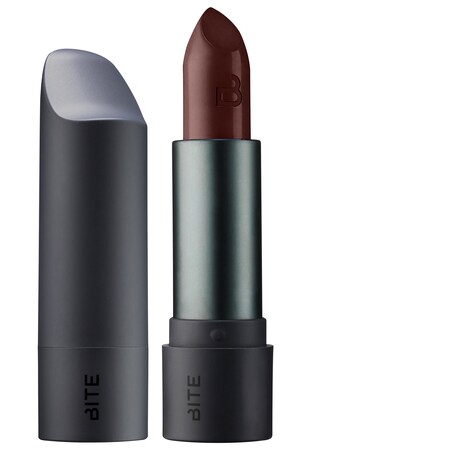
Bite Beauty Whiskey Lipstick


via Sephora.com

Why I Want It:

  • It's very similar to a DIY shade I made on my own that is beautiful but wears horribly and fades immediately.
  • It's part of my favorite lipstick formula line (the Amuse Bouche line.)
  • It looks really nice on the brunette ladies I've seen wearing it.

Why I Don't Need It:

  • I don't wear vampy lips in warmer months- even though my inner goth wants to, I stay in the nude-to-jewel toned shades until October. If I really want this shade, I can just as well buy it in the fall Sephora sale and enjoy using it immediately. 
  • I have several dark lipsticks already, which are going to expire in the next few years, and every new lipstick I bring in is incremental "loss" of days I could be wearing all of those.
  • I already own Bite Portobello, a true brown which looks ghastly on me alone, that I can easily mix with a red lipstick I own to get close to this shade.

3.20.2017

Techniques to Stop Skin Picking

I have a bad nervous habit where I pick my face, whether I have aggravated acne or no blemishes whatsoever at the moment. It's never a good idea. When you have active acne, it makes them more prone to infection and inflammation. When you have no active acne, it disturbs the relative calm of your skin.

There are no upsides to picking, only downsides. So why do I do it? I've always been fidgety and I tend to move around when I'm bored, anxious, or preoccupied with something. Without realizing it, I'll scratch and pick even when I made up my mind to specifically avoid it.

    Reasoning with Yourself


    • You're not going to resolve it with picking. I think a lot of us have this, ahem, romanticized idea that if we squeeze a hard, painful pimple, some little thing will be expelled and the whole problem will go away. In reality, you should already know that the vast majority of swollen acne aren't resolved so neatly. Usually the swelling is not due to a single hard seed, but attributed to a general swelling and filling with fluid. Which means your popping will make your skin bleed and weep, but there won't be a satisfying ending, and the pimple will continue on, angrier than before.
    • Your makeup will look worse when you pick. This is true for all types of acne and all people. Acne may look troublesome under makeup, it adds texture and obviously is not pretty to look at. But if you've ever attempted to cover a weeping red hole in your face, you know how much more difficult it is to do so. If your aim is to look good for others, picking is not the answer.
    • It makes the "system" of your skin worse overall. You may think- hey, what's the biggie, just this one spot gets picked, it doesn't affect the rest of my face. Wrong. Picking your skin disrupts your barrier by introducing more germs and dirt from the outside world onto and into your face. What you do to one side of your face affects the other side, period, and generally speaking, picking causes much more harm by producing redness, inflammation, and irritation that lasts long after a pimple would have gone away on its own.

    The reasoning above is the reality of things- but it's not always possible to access that reality and logic. For me, skin picking is an activity I do to relieve anxiety, boredom, and frustration. It comes with an immediate high that accompanies most harmful behavior. I try to coach myself to remember the reasonable reality of skin picking in times of stress, but just knowing the truth doesn't mean I'll act reasonably. I used to beat myself up for "forgetting" the truth in the heat of the moment, but that's not really what was happening. It's just that I had conditioned myself to respond positively to bad behaviors, which means I need to recondition myself not punish myself for forgetfulness.


    Mindfulness Check-in


    • Identify the emotions commonly associated with the picking habit. Write them down on a post-it or notecard that you keep at your desk or in your purse. Use the card as a checklist if you start to feel the urge to pick- try to see if your desire to pick comes from one of the listed emotions (anger, sadness, fatigue, anxiety, loneliness, boredom...) 
    • Write up a second notecard or post-it note with a list of strategies for "treating" each emotion in the short-term. If you're fatigued, maybe your technique will be to make yourself a cup of hot tea or coffee. If you're lonely maybe your technique is to text a friend. If you feel anxious, go for a run or a walk.

    3.17.2017

    Makeup Marketing and Beauty Guru Culture

    I have been watching "Beauty Gurus" on some form of social media for more than a decade now. Online beauty reviews and blogs have existed for a while, as well as makeup discussion forums like Specktra and later Reddit, but I think YouTube was the ideal platform to launch the current iteration of what we now know as a Beauty Guru (hereafter abbreviated as BG.)

    Because makeup is a tactile and visual medium, words only go so far. If you can't be there in person with a makeup artist or fellow makeup lover, video is probably the next best thing. With the explosion in variety of social media platforms over the last several years, BGs have found wider audiences and even greater Internet (and sometimes IRL) fame.

    In the past, BGs were either professional makeup artists with some spare time and a flair for video editing, or they were ordinary women/men who dedicated a lot of time to a hobby but maintained a separation between work/real life and their online presence. Before the space exploded, being an Internet BG was a fairly thankless labor of love. The people who had YouTube followings enjoyed a pretty devoted audience and possibly some ad revenue, but the BG machine didn't fully kick off until beauty companies got hip to how powerful a marketing tool these BGs could really be. Sponsored content in the form of free samples of lipstick turned into sponsored vacations, paid-for teeth whitening, and just gradually exbanded to become entrenched in BGs' lifestyles, rather than being confined to the neat little box of a beauty hobby. BGs drink startup artisanal coffee provided gratis from free coffee mugs with sponsor logos, wearing a robe that they reviewed and received affiliate kickback for. All while checking their social media with thousands of adoring followers, who feel a genuine affection for them and contribute to their overall sense of self.

    The current climate/status of BGs as "influencers" (to use the sterile and slightly horrifying term) is a case of everyone wanting to have their cake and eat it too. Marketing is rooted in the practice of manipulating the human psyche to bring about desired behavior (in this case, the desired behavior is to buy.) I see a few common ideas about marketing at play in the current BG culture.

    The "Trusted Consumer" Opinion


    In this example, housewives in the 1950s all across America were sold on New Cleaning Product X because a woman whose life was just like their own told them Product X worked well. Well, our housewife thought, that woman looks just like my sister/mom/friend from down the street. I trust her because she seems like she understands my needs, because they're her needs too. And a million Average Jane commercials and advertisements were born. Companies constantly develop ways to strike that nerve and get their potential customers to feel that someone you trust vouches for it. This impulse ties in to people's group mentality, where acting clannish and having a trustworthy network makes them feel safe and like they belong to a supportive community.

    The "Aspirational Figure" Endorsement


    In this other method, there was the gorgeous actress, who the same housewife had only ever seen in soft-focus motion pictures and retouched magazine spreads. She was impossibly beautiful, cosmopolitan, and has everything our housewife dreams of, though she lives in Ohio, has an insurance salesman husband, and struggles with uneven skintone. But wait, the actress has now endorsed and credited Face Cream Y for her flawless complexion. Even if our housewife can't have the actress' entire life, she can obtain a small slice of it. And that  makes the purchase of Face Cream Y a transformative, hopeful act. It's rooted in the desire to be like someone else because you think their life is superior to yours in some way(s.) Humans react in patterns of behavior that allow us to be manipulated by certain tricks. This is not reserved for people of the past, or women, it's all of us.

    The Modern Beauty Guru


    So that brings us to today. We know for a fact that companies use BGs to market to us. We understand that they are often the personable mouthpiece for multiple faceless corporations. But are they The Trusted Consumer? Why yes, girl, they have man troubles, they eat pizza in their sweatpants, they struggle existentially. How terrifically relatable- they are just like you! But wait...aren't they also kind of celebrities? They get flown around on glamorous vacations, they have no ordinary 9-to-5 job, and they have impeccably-curated and polished appearances (excepting those #important notable exceptions when there's a #nomakeup hashtag floating around and participating to show vulnerability has a greater positive impact on their brand image than a few un-aspirational sunspots would.)

    Beauty Guru Culture has transformed into this monolithic marketing machine that is basically the apex of manipulation. It inspires a Golden Ticket feel in ordeinary girls and women. Nowadays you might not imagine you'll ever be a movie star or like one- that hardly seems achievable...but you can easily imagine becoming like any of the thousands of "Internet-famous" gurus who have devoted fan followings, free shopping trips, handsome boyfriends, and overall "polished" and enviable lives. BGs and their sponsorships/brand partners are trying to have their cake and eat it too, by presenting figures who speak simultaneously to that "trusted compatriot" urge and to the aspirational "I want her life" vibe. We all want to feel connected to others. Sometimes we want the equivalent of a friend who will commiserate with our troubles. Sometimes we want someone to emulate, who will inspire us to become greater. Both of these aspects are manipulated expertly by companies who make good use of BG sponsorships and partnerships. BGs hit that sweet, enticing spot between "just like you" and "better than you."


    3.09.2017

    Resisting Eyeshadow Palette Hype

    When I was first introduced to makeup around the age of 11 or 12, high end and midrange brands did not offer a ton of palettes, and the ones that were around were not the cornerstones of those brands. I got my first of the 2010s-hyped eyeshadow palettes my second year of college, the original Naked Palette from Urban Decay, and I used that bad boy every day for nearly 4 years. It was like my eyes (ha) had been opened to this whole new world of multiple eye looks and layering different shades in the same color family. The Naked palette was so popular because of its ease of use (all the shades were rather blendable and beginner-friendly) and its ability to flatter a fairly large range of skintones. Of course, there are many people who don't enjoy the Naked palette, but it definitely started what I think of as the modern-day Eyeshadow Palette with a capital E.P.

    The Allure


    Eyeshadow palettes are appealing for several reasons. First, they offer thrilling variety in a small package- usually the price tag is "reasonable" in midrange makeup terms, between $40 and $100, for multiple shades. People love to break down the price per oz for these palettes to show how much less expensive it is to buy one set of 10 shadows than to buy those same 10 shades individually at market price. A good deal (or the impression of one) is seductive to newbies and experienced makeup lovers alike.

    Second, eyeshadow palettes are generally speaking very visually appealing. They are almost always organized around a central theme, and designed and laid out in a way that sparks ideas for creative combinations and is just overall lovely to look at. If you've ever heard of the somewhat nastily-named Cheerleader Effect, where a group of girls (or guys!) looks more attractive as a whole because they are grouped together, than they look individually, then you can start to understand why eyeshadow palettes seem to be so pretty on first glance. Pretty things look alright by themselves, but they look gorgeous when paired with 9 other pretty things. There's a "greater than the sum of its parts" thing at play here and it yields a love at first sight feeling which can wear off once you buy the palette and take it home.

    Third, eyeshadow palettes do play into the collector's mentality that a lot of makeup users start to take on after a few months or years involved in the hobby. There's this idea that if you own all the hot eyeshadow palettes, you are in good company of makeup lovers who have it all. We can't deny the temptation and tendency for people to desire a sense of belonging to a community, especially when the members of that community promote their image and personal brand as something worth emulating.

    The Nefariousness


    Because makeup companies only really have to hook you on one special awesome shade per palette to potentially get you to purchase the whole thing, they have 10 opportunities to catch 10 unique customers, all who will be paying $50 for 10 eyeshadows, a "good deal" by all accounts. But those customers, if they weren't presented with the 10 shadow palette, would only be "worth" the $10 they would have paid for a single shadow in that one appealing color. That's why you'll often see a brand offer such a good price per oz with their palettes...it costs them basically nothing to produce the colored dust that goes into a palette, and it makes you much more likely to spend more money for the variety and "value" that you perceive as a customer.

    It's tempting to go for "good deals" because everyone likes to feel like they're getting something for nothing. In a palette, you're sold the idea that you're paying for a few key shades and getting the other ones for free! But as economists like to smugly say (myself very smugly included): "There's no such thing as a free lunch." When you get something, you are giving up something in return, whether you're aware of it or not. In the case of buying a shadow palette, you are paying the company money you could have otherwise spent on...food, rent, savings, or another makeup item. You might be fine what you pay for it, but you aren't getting away with murder by paying a price that you perceive as a steal.

    Sometimes the price you pay isn't represented by only the dollar outlay on the item. Sometimes the price is a certain amount of psychological burden. Many people who own too much makeup express feelings of being overwhelmed or wasteful. While everyone's threshold for consumption varies, if you personally are negatively affected by clutter, then all things considered, it's not a good thing to increase your consumption.

    Because of this reasoning, I do not consider "free items" or free shades to be truly free. If someone were to offer me a sample in a mall, and I had no interest in it, what could be gained by taking it? Nothing. In the eternal words of Kanye West:

    via buzzfeed.com

    When to Buy a Palette


    All things considered, why would you buy one? There are actually many instances where I think an eyeshadow palette can be a sensible and useful purchase. I'll show an example and explain my reasoning behind an actual palette purchase I made in real life...and an example where I was able to talk myself out of the palette purchase as it didn't make sense for me.

    Pictured below is Lime Crime's Venus Palette, which I ended up purchasing after going through the thought process I'll outline.

    via limecrime.com


    I got this palette discounted and brand-new, which put the price at $22.50 for the whole thing.

    The first step is to abandon the lies you tell yourself- that you will use that greige in the palette when all you like to wear is warm browns, that you need the champagne highlight shade when you already have 6 or 7 of them. Whatever shades are useless to you- they are automatically eliminated from the "value" of the palette. Don't attribute fake value to things that have none to you.

    Right off the bat, I eliminated the "value" for Aura, Shell, and Muse. Aura looks exactly like every other pale champagney gold shadow out there- I own several. I wouldn't be getting any incremental extra eye possibilities/looks out of this shade. Muse is a near-perfect dupe for MUFE Morello Cherry which I already own and love. Since it overlaps almost entirely with the red matte I own, I can't use it for any new looks either. As for Shell, it's the pale pinky gold shade that I know from experience looks very bad on my skin tone and eye shape. While I technically liked and could use the first two shades, in the context of my existing collection, they aren't extremely useful or necessary for me. I would never purchase those colors if I found them in single form, since I already own them. For the last shade, I wouldn't buy it or use it period, even once I got the palette. It's not a repeat of something I own, because I hate the color.


    8 shadows total - 3 useless shadows = 5 valuable shadows

    Next, let's look at the shades which some might consider "bonus" value that aren't really what attracted me to the palette- here that would be the shade Venus, a satiny raspberry pink that's not really my style, but isn't abhorrent to me. It's not similar to anything I own. I'm going to count it as a half a shadow in terms of its value. That puts us at 4.5 potentially valuable shadows.

    At this point let's take the base price and see if the price tag is worth the 4.5 shadows I'm getting (remember the 3 shadows I won't use do not count toward the perceived or actual value of the palette, I will not be calculating $/g)

    $22.50 ÷ 4.5 shadows = $5.00 per useful shadow

    At this point I have to decide if each of the shadows in the palette are worth a $5.00 price tag. For me, these shadows definitely qualified as "worth it." However, if I had had to pay the full price of $34.00 here's that calculation:

    $34.00 ÷ 4.5 shadows = $7.50 per useful shadow

    And yep that's still worth it to me. I was in the market for a rusty orangered shade, a very dark burnt brown, a violet-gray matte, and a medium bright coral matte. It just so happens that this palette is almost exactly what I wanted, and the price for these unique shades, which can be found as singles but at much higher price tags, is definitely worth it in this case.

    What this calculation allowed me to do is see what I want and what I don't want from within a purchase, in order to rationalize and justify the true value and not be disappointed once I brought the product home. In addition, I depot all my eyeshadows and use them in travel palettes, which means I don't acquire baggage from unused/useless shadows. I throw them away or put them in storage. That option isn't available to everyone and should be factored into your calculations as those shades will take up space in your collection and lead to clutter and negative emotions in some cases.

    When Not to Buy a Palette


    This exercise isn't just a way for you to excuse buying eyeshadow- it's a tool to decide what's right for your collection and what's wrong. Here it is repeated for a palette which I ended up passing on.

    Here is a picture of the Viseart Dark Matte Palette, which costs a whopping $80.00 and comes with a fabulous reputation for blendability and pigmentation.

    via beautylish.com


    For a while, I was totally convinced I would get this palette. All of my muted, matte, blendable dreams come true- right? I read nothing but rave reviews about the versatility and the quality of all the colors, which should mean that it offered 12 valuable, useful shadows! Well, you know enough about me to know that I'm just leading you on. I didn't buy this palette.

    If I could use every single shadow in this palette, the breakdown would be:


    $80.00 ÷ 12 shadows = $6.66 per useful shadow

    I always hear people gushing over the price per shadow in the Viseart palettes- what a steal for such a high-end product. However, I wouldn't use all 12 of these shadows. First off, I do not wear blue eyeshadow- ever. I don't own a single other blue or blue-adjacent eyeshadow and it's not something I currently need in my collection. That eliminates the 2 blue matte shades in the lower left corner. 

    12 shadows total - 2 useless shadows = 10 valuable shadows

    Then we have the 3 brown/true-neutral shades in this palette. They are all slightly different in undertone but would all qualify as neutral medium brown mattes. I own 4-5 of those types of shades in my collection already. There's a chance that all of these browns would be great on my skintone, but why bother finding out? I already have so many for the purpose that I'd use these for. I can eliminate all of these- and most eyeshadow lovers with any semblance of a collection could do so as well. Good neutral shades are a dime a dozen, and it's odd to me that the 3 in this palette are so similar to each other. 

    10 shadows - 3 more useless shadows = 7 valuable shadows

    Now we're down to the meat of the palette- 7 shadows that I might use, that are either going to be unique or distinctly superior when compare to what I already own. What I am really eyeing here is the 2 darker orange shades and the lighter purple shade. I have dupes that I love using for the lighter orange and for the darker purple and red. Finally, there's the one sage green matte shade unaccounted for. I love the way it looks- it seems gorgeously pigmented and blendable. I definitely want something like it, but I hadn't even thought to look for it before I saw this palette, which means it's not a huge priority clearly. We'll count it as a half-useful shadow. I'd use it if I had it but I don't think I'd go out and search for a single right this minute. I also have a lighter khaki green matte that stands in for it when I do require a green matte.

    7 shadows - 3.5 dupeable shadows = 3.5 valuable shadows

    Our ultimate calculation, once I take out all the fluff and the lying to myself about what I'll use becomes this:

    $80.00 ÷ 3.5 valuable shadows = $22.86 per shadow

    If these shades were so incredibly unique that I couldn't find them anywhere else, I would consider still buying this palette for just these 3 shades. However, at nearly $23 a pop, I can find similar shades within even the most expensive single shadow lines (NARS, MUFE, etc) and so there's no reason for me to pay and acquire all the extra baggage of those useless-to-me shadows anyway. Add that to the fact that the Viseart palettes seem difficult to depot (they are made of plastic not cardboard) and I'm unlikely to want to keep this palette in my collection because the useful shades will be "crowded out" by all the useless ones.

    Packaging and its Impact


    There is an issue I did not factor into my calculations above because it's insignificant to me- packaging. I know that there are people out there who love pretty packaging, and I don't hold that against them. If you fall in that category, I would say you should come up with a dollar amount for how much good/attractive packaging is worth to you. Are you willing to pay an extra $5.00 per palette just for a beautiful layout and exterior? An extra $30.00? Where is the cutoff for you? Everyone likes pretty things, but you should figure out, within your budget and lifestyle, how much packaging is worth to you in terms of cold hard cash.


    Formula Preferences


    Because there are so many textures and variations within the category of eyeshadows (further segmented into finish- matte, shimmery, satin) there is a large spread of what people consider good formula and bad formula eyeshadow. My preferences aren't the same as everyone's, and the point here is to figure out what textures work best for your skin type and eye shape, and forget the rest.

    A good way to stop yourself from making a rushed palette purchase is to first go test the formula out in-person. No matter how appealing the colors may be on a computer screen, if the shadows themselves are too densely pigmented/not pigmented enough/chalky/streaky/too glittery, the colors won't do you any good. 

    When you buy a shadow palette, you are buying 10-15 shadows produced and approved by the same chemistry and marketing teams. That means that if the people on those teams have a different taste than you, or they consider a certain type of formula good that you hate, you will not only hate a few of the shadows in a palette, you may possibly detest every single one of them. 

    I really love Urban Decay's shimmer formula. I find it dense, rich, and superbly long-wearing on my eyes. However, I hate their microglitter formula. It's the shimmer formula with chunky, horrible flakes of glitter thrown in for no good reason. I like their satin formula fairly well, but I don't really enjoy their mattes. In any given Urban Decay palette, I will likely find some of each of those 4 finishes. If I only really like 2 of the finishes that Urban Decay makes, I'm already compromising on my preferences just by allowing the company to bundle up multiple shadows for me. By buying single eyeshadows, I'm able to be more picky about what I allow into my collection.


    Conclusions


    We all have different tastes and lifestyles, which means the way I weigh value and perceive it will be different from yours. But everybody has a limit on what is reasonable consumption and ownership. You need to figure out what your ideal eyeshadow collection looks like, what gaps you want to fill, what gaps exist that you have no need to fill (not everyone needs every color in the rainbow) and how to best build toward that goal with the least clutter, the least unnecessary expenditure, and the most ease.

    I do my eye makeup probably 3-4x per week, and I consider myself more on the maximalist end of the eyeshadow spectrum. I like to use 6-7 shadows per look, which means I do have a flexible, large collection. Even so, I think you'll see my shadow collection, which was built up very slowly and carefully, has less bloat than someone's who owns a wide variety of pre-made palettes. I don't say that to be snotty, but it is a point of pride for me. I enjoy indulging in fantastical colorful makeup looks without feeling that I had to sacrifice and enormous amount of money or space to allow me that flexibility.


    Even though I enjoy a variety of eyeshadow colors, I do not have one of every type of shade, in every finish. I believe that I am only capable of wearing certain types of shadow (finish and shade) because of my skintone, my lifestyle, and my taste. My collection is not everyone's ideal collection- but it is mine, which is what matters. You do not need to collect them all- no one person (non-professional MUA or professional pretty person) is going to need every type of color. You do not become magically better at makeup when you acquire more colors. There's a finite limit to how many shadows you can reasonably enjoy and get use from- although that limit does vary from person to person!


    Every shade of eyeshadow I own


    To give an idea of the flexibility of my collection, here's the configuration of shadows I bring with me when I go away for a weekend:

    Because I love me a boring neutral color scheme


    When I plan a more colorful look the night before, I like to set out a small palette with just the shadows I need to avoid confusion or overwhelming colors in the morning:


    Weirdly, what I need for a green smoky eye


    And on any given day, when I just want to have an organized way to remember where everything is, I have my collection divided roughly by color category and purpose. I know from lots of experience that my most-worn eye looks are purple-themed. Purples make my eyes pop and my skintone sing. I have a whole large palette dedicated to purples. Besides that, I have a general neutrals palette where I keep the majority of my browns and tan shades.

    Most are warm because I am warm-toned. I also have a more burnt, obviously-warm palette with yellows and oranges, as that's another colorful category I enjoy. And last I have a mixed palette of "other colors," which means the adventurous shades that I wear on occasion but not on a daily or even weekly basis (many of my neutral/cool shades are found here as they aren't my preferred color scheme.)


    My eyeshadow collection and its "organization" most days

    Because every single shadow I own has been removed from its original packaging (or I purchased it as a solitary pan) I can mix and match endlessly with no constraints. I find that to be so helpful for my consumption goals and my own sense of organization. I like not having to choose between a compact solution (for a short trip) and the color variety I want.

    My favorite part of having such a mix and matchable group of eyeshadows is that I can recreate or imitate basically any newly-released palette I'm interested in.

    Here's my "recreation" of the Anastasia Modern Renaissance Palette...


    Too Faced Sweet Peach Palette...


    Smashbox Cover Shot Smoky Palette...


    Are these recreations perfect? Nope. Do I care? Hell no. The point is not to ape and duplicate every minute detail of every trend that comes along- it's to take inspiration from rightfully-popular and beautiful things in a way that's not unhealthy or overwhelming.

    If you love this type of topic then please do visit Reddit's /r/MakeupRehab. The community there is extremely supportive and intelligent when discussing matters of consumption and overconsumption. Shopping habits can become unhealthy, and when your love for makeup starts to infringe on your happiness of your finances, you are going to have to set it straight.